Alfama is the beating heart of medieval Lisbon and the authentic soul of the Portuguese capital. This ancient quarter, perched on the slopes of a hill overlooking the Tagus River, is a maze of narrow cobbled streets, winding staircases, and hidden squares. Every corner reveals a new surprise: a colorful facade covered in traditional azulejos tiles, a small historic chapel, a terrace with a spectacular view, or a cozy taverna where locals gather to chat and laugh.
The name “Alfama” likely comes from the Arabic “al-hamma,” meaning “hot bath.” This name reflects the neighborhood’s history under Muslim rule, when Alfama was a thriving district with public baths, markets, and residences. Although Muslim rule ended in the 12th century, the area has retained its oriental character and bohemian atmosphere.
Alfama is best known as the birthplace of fado, the traditional Portuguese music. This melancholic and moving music was born in the narrow streets of Alfama, sung by the locals who expressed their joys and sorrows. Today, fado is recognized by UNESCO as an intangible cultural heritage of humanity, and Alfama remains the beating heart of this musical tradition.
This comprehensive guide tells you everything you need to know about Alfama: its fascinating history, main attractions, authentic restaurants and cafes, the best places to listen to fado, and expert tips for exploring this magical neighborhood. Prepare to be transported back in time and discover the true essence of Lisbon.
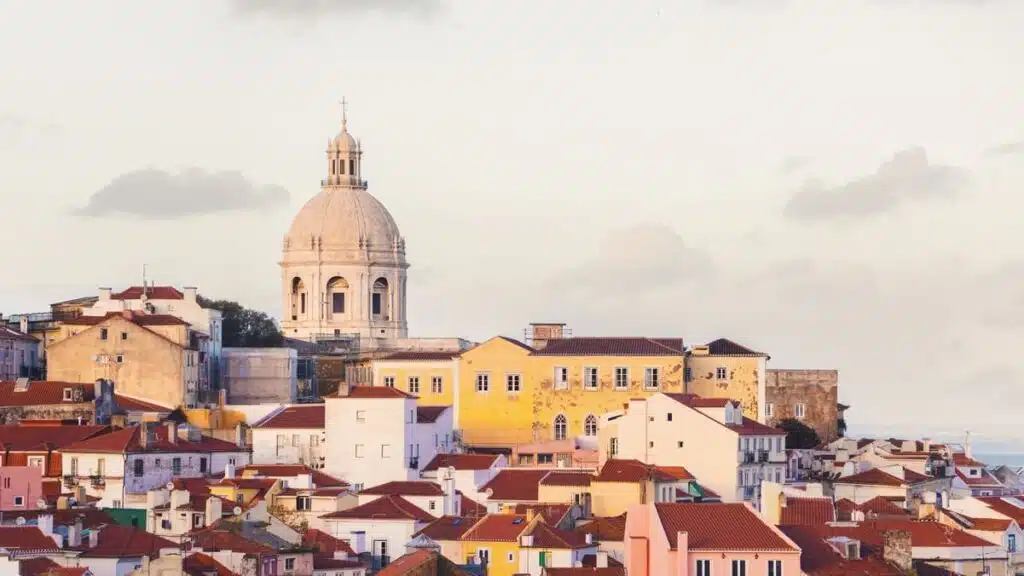
Alfama’s history dates back to antiquity. The site was first fortified by the Phoenicians and Greeks, who recognized its strategic importance. When the Romans conquered the Iberian Peninsula, they built a city called “Olisipo” on the same site. Alfama was the heart of this Roman city, with its markets, temples, and residences.
In 711, the Moors conquered the Iberian Peninsula and took control of Lisbon. Under Muslim rule, Alfama became a prosperous and vibrant district. The Moors built public baths (hammams), markets, mosques, and elegant residences. The district became a center of commerce and culture, attracting merchants and artisans from all over the region.
For over 400 years, Alfama remained under Muslim control. The Muslim inhabitants and the few remaining Christians lived together in relative harmony. The district became a melting pot of cultures, with Arab, Berber, and Christian influences.
In 1147, King Afonso Henriques reconquered Lisbon from the Moors. Alfama changed hands, but the district retained its oriental character and bohemian atmosphere. The new Christian inhabitants settled in the houses abandoned by the Moors and adapted the district to their needs.
Over the following centuries, Alfama gradually transformed. Churches replaced mosques, but the architecture and atmosphere of the district remained largely unchanged. The neighborhood became a residential area for the working classes: fishermen, artisans, merchants, and laborers.
In the 18th and 19th centuries, fado emerged in the streets of Alfama. This melancholic and moving music was born from the fusion of several musical influences: Arabic, Gypsy, Brazilian, and Portuguese musical traditions. Fado expresses the joys and sorrows of daily life, lost loves, broken dreams, and eternal hopes.
Fado became the voice of the people of Alfama, especially the women who sang in taverns and small restaurants. These singers, known as “fadistas,” became legends, with names like Maria Severa, Amália Rodrigues, and Mariza. Fado became a symbol of Portuguese identity and Lisbon culture.
In the 20th century, Alfama underwent dramatic changes. The 1755 earthquake damaged the neighborhood, but the residents rebuilt their homes. The 20th century saw the neighborhood modernized with the addition of roads, electricity, and other infrastructure.
However, Alfama has retained its historic character and bohemian atmosphere. The neighborhood has become a popular tourist destination, attracting visitors from all over the world who come to experience its history, culture, and music. Today, Alfama is a unique blend of tradition and modernity, where locals live alongside tourists, and where ancient history meets contemporary life.
São Jorge Castle has dominated Alfama for over a thousand years. This medieval fortress offers spectacular panoramic views of the neighborhood and the entire city. The castle is particularly impressive at sunset, when golden light illuminates its stone walls.
From the castle, you can see practically all of Alfama: the cobbled streets, the small squares, the churches, and the colorful houses cascading down the hillside. The castle also offers a unique historical perspective, allowing you to understand the strategic importance of the district.
Practical information:
The National Pantheon, with its distinctive white dome, is visible from virtually anywhere in Alfama. This spectacular Baroque monument houses the tombs of illustrious figures in Portuguese history. The Pantheon is a place for reflection and contemplation, where you can honor Portuguese heroes.
Practical information:
Lisbon Cathedral (Sé Catedral) is one of Lisbon’s oldest churches, built in the 12th century on the site of a Muslim mosque. The cathedral is in the late Romanesque style with Gothic influences. Inside, you will find elegant chapels, sculptures, and historical religious artifacts.
The cathedral is particularly impressive in the evening when it is illuminated. It is an active place of worship, and you can attend religious services if you wish.
Practical information:
The Church of São Jorge (Igreja de São Jorge) is a small, historic church located near the castle. The church was built in the 12th century and has been rebuilt several times after earthquakes. Inside, you will find elegant altars, sculptures, and religious paintings.
Alfama is dotted with small viewpoints called “miradouros” that offer spectacular views of the city and the Tagus River. Among the most famous are:
Fado is a traditional Portuguese music that expresses the deep emotions of everyday life. The word “fado” means “destiny” in Portuguese, and the music reflects this idea: life is an unpredictable journey filled with joys and sorrows.
Fado is characterized by melancholic melodies, moving lyrics, and an intimate atmosphere. The music is usually played by a guitarist accompanied by a singer. Fado lyrics speak of lost love, broken dreams, nostalgia, pride, and hope.
Fado emerged in the 18th and 19th centuries in the alleys of Alfama. The music was born from the fusion of several influences: Arabic music (a legacy of Muslim domination), Gypsy music, Brazilian music (due to contact with Brazil) and Portuguese musical traditions.
Fado was originally sung in the taverns and small restaurants of Alfama by locals expressing their joys and sorrows. In the 19th century, fado began to gain popularity and be performed in concert halls. Famous singers like Maria Severa and Amália Rodrigues brought fado to unprecedented levels of popularity.
Alfama has many restaurants and bars where you can listen to authentic fado. Here are some of the best places:
✅ Book in advance, especially during peak season
✅ Arrive early for a good spot
✅ Be respectful and listen attentively
✅ Clap after each song
✅ Taste traditional Portuguese cuisine
✅ Enjoy the intimate and authentic atmosphere
Restaurante Lá Goa: A traditional restaurant with fado music and authentic Portuguese cuisine. The dishes are delicious and the portions generous. The atmosphere is intimate and welcoming.
Fado em Mim: A restaurant specializing in fado music with quality Portuguese cuisine. The restaurant offers authentic fado performances several times a week.
Clube de Fado: A must-visit for fado lovers, with an intimate and authentic atmosphere. The restaurant offers traditional Portuguese cuisine and high-quality fado performances.
Tasca do Camões: A small, traditional tavern with an authentic atmosphere. The café offers traditional drinks and snacks.
Café Luso: A traditional café with a view of the Alfama alleyways. It’s an ideal place to have a coffee and observe the daily life of the neighborhood.
Alfama is full of small restaurants tucked away in the alleyways. These restaurants often offer authentic cuisine at reasonable prices. Explore the alleyways and discover your own culinary treasures!
The best way to explore Alfama is to get lost in its narrow streets. Unlike other Lisbon neighborhoods, Alfama doesn’t have a regular urban plan. The streets are narrow, winding, and often dead ends. It’s this labyrinthine nature that makes Alfama so fascinating and authentic.
✅ Bring a map or use Google Maps
✅ Wear comfortable shoes (lots of stairs)
✅ Explore without a specific itinerary
✅ Take the time to observe the details
✅ Talk to the locals
✅ Visit the small churches and chapels
✅ Take photos of the colorful azulejos

| Element | Cost |
| São Jorge Castle | 10€ |
| National Pantheon | 5€ |
| Meal | 20-40€ |
| Fado | 25-50€ |
| Transportation | 5€ |
| TOTAL | 65-110€ |
✅ Arrive early to avoid the crowds
✅ Wear comfortable shoes
✅ Bring water and sunscreen
✅ Explore without a specific itinerary
✅ Listen to fado in the evening
✅ Talk to the locals
✅ Take your time to explore
São Jorge Castle – Medieval fortress with views
National Pantheon – Baroque Basilica
Belém – UNESCO Heritage District
Baixa – Modern city center
Visiting Lisbon in 2 days – Itinerary including Alfama
Complete Lisbon Guide – Back to the main guide